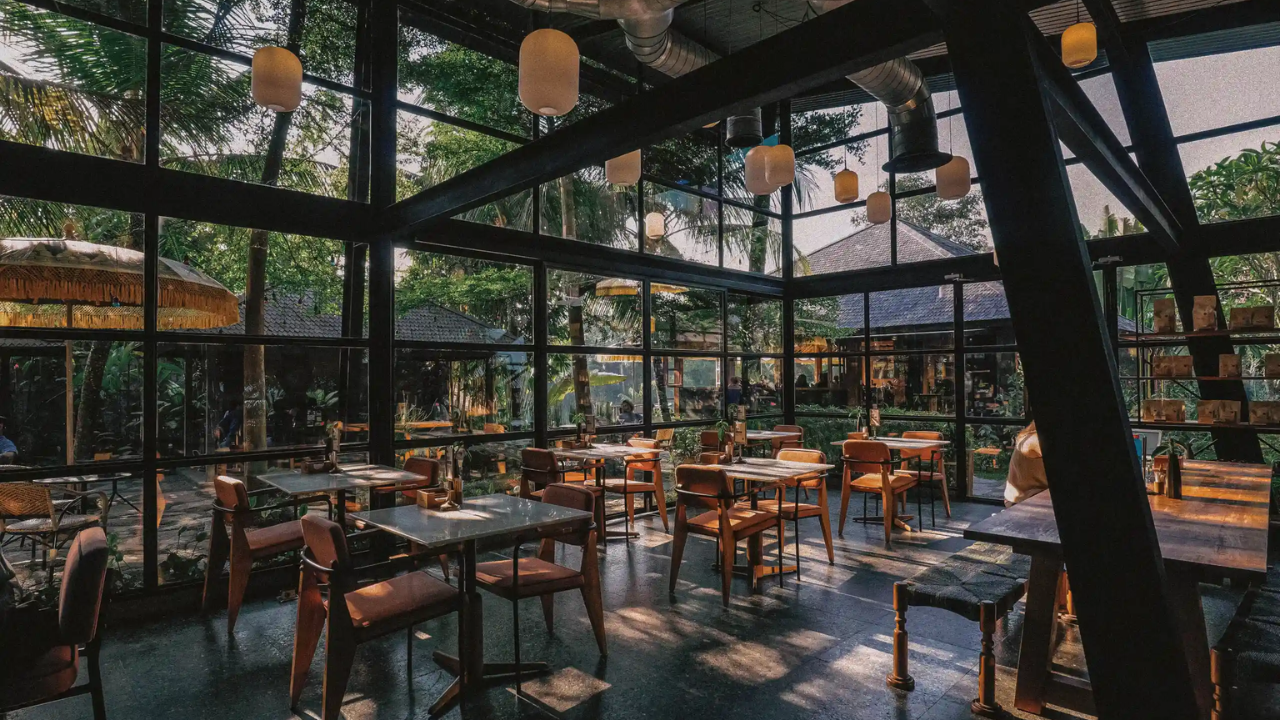
Ubud or Canggu: Which Bali Destination is Right for You in 2026?
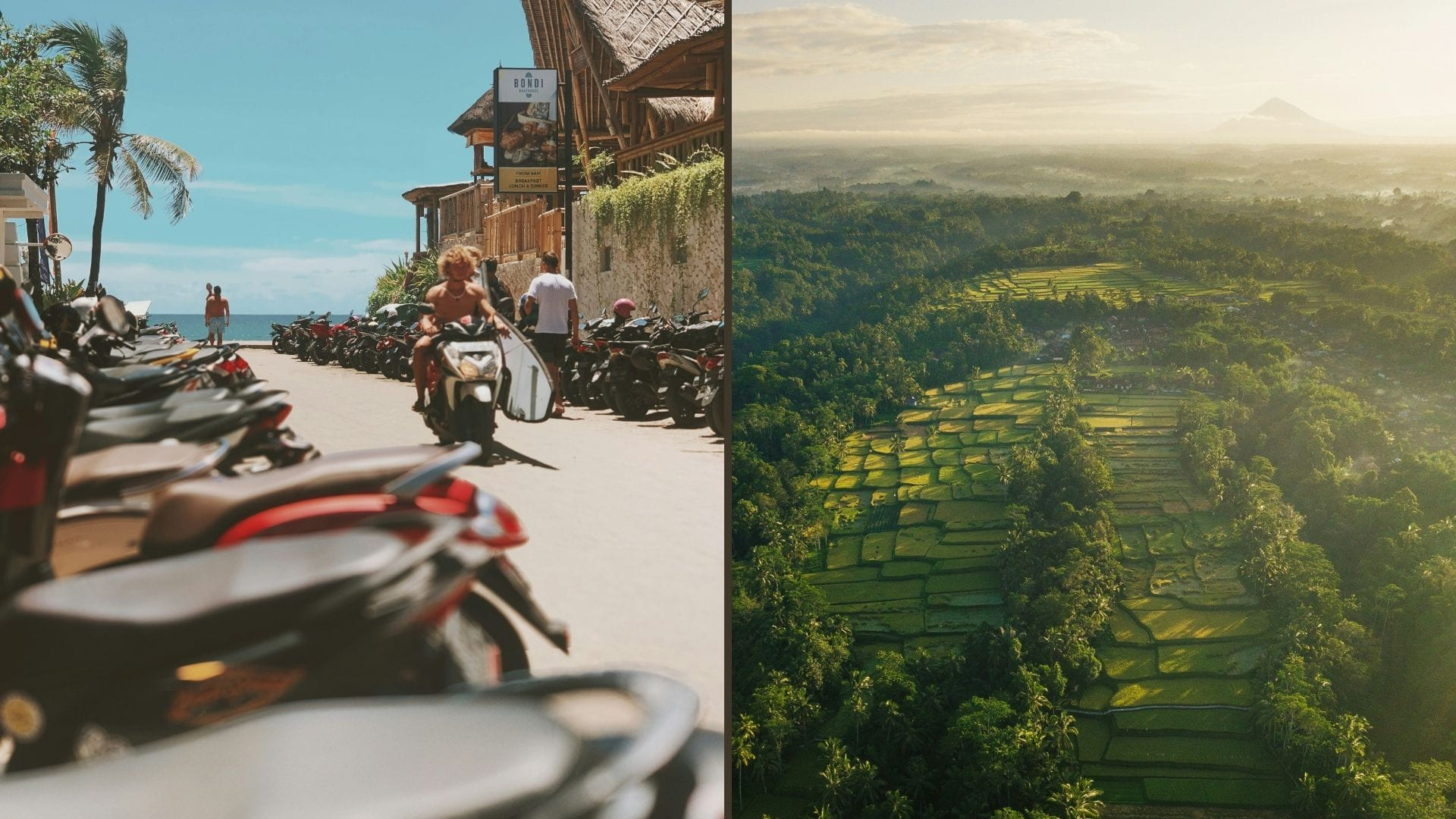
While every corner of Bali is worth visiting more than once, narrowing down your options can help you truly experience what each area does best. Some places invite you to slow down and reconnect, while others thrive on energy and movement. In this article, we’re diving into two of Bali’s most contrasting destinations to help you decide which vibe suits your travel style best: Ubud and Canggu.
Quick Comparison Table
| Feature | Ubud | Canggu |
| Vibe | Spiritual, serene, artsy | Surf, social, hipster |
| Main Activities | Temples, yoga, rice walks | Beach, cafes, coworking |
| Best For | Culture, wellness, couples | Digital nomads, nightlife |
| Internet Speed | Decent | Excellent |
| Walkability | Moderate | Low |
| Traffic | Less | Heavy |
Why You Might Prefer Ubud
Culinary Excellence
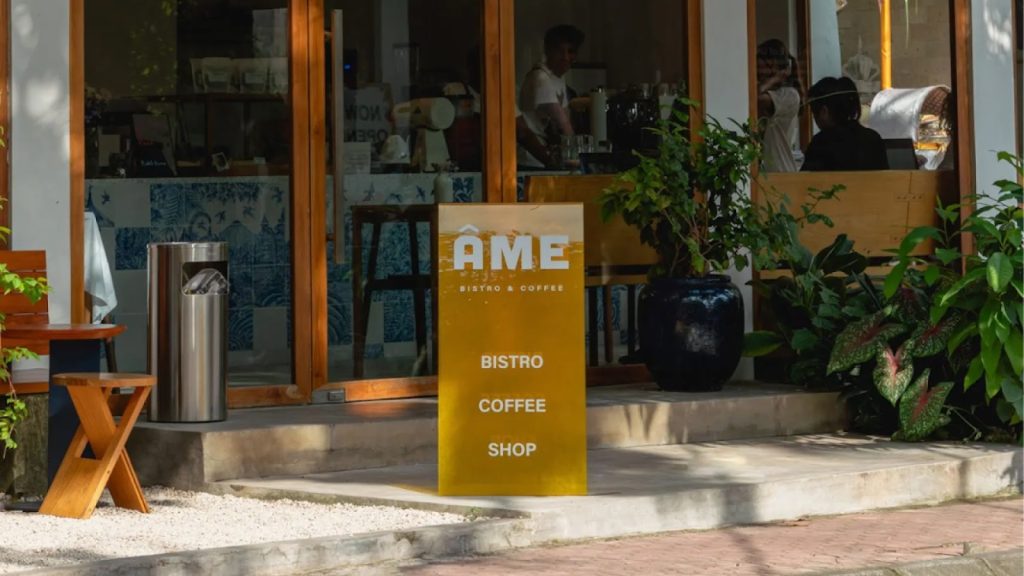
When it comes to cuisine, we think Ubud is the most diverse of them all, offering various delicacies for every palate and dietary needs! You can get a Parisian-style breakfast at AME Bistro before discovering the various traditional sweets you can find at the traditional markets.
Spiritual and Cultural Heart of Bali
Ubud is where Balinese culture actually lives and breathes. You'll encounter daily temple ceremonies, traditional dance performances at royal palaces, and markets selling handwoven textiles and ceremonial offerings.
This isn't staged for tourists. It's genuine Balinese life that you're invited to observe respectfully. That cultural authenticity is increasingly rare in Bali's more developed areas.
The Ubud Palace, Goa Gajah temple, Tirta Empul holy spring, and countless other sacred sites sit within easy reach. You can spend weeks exploring temples without hitting the same one twice. Canggu has beach temples, sure, but they're isolated pockets rather than woven into daily life like Ubud's spiritual landscape.
Wellness-Focused Lifestyle
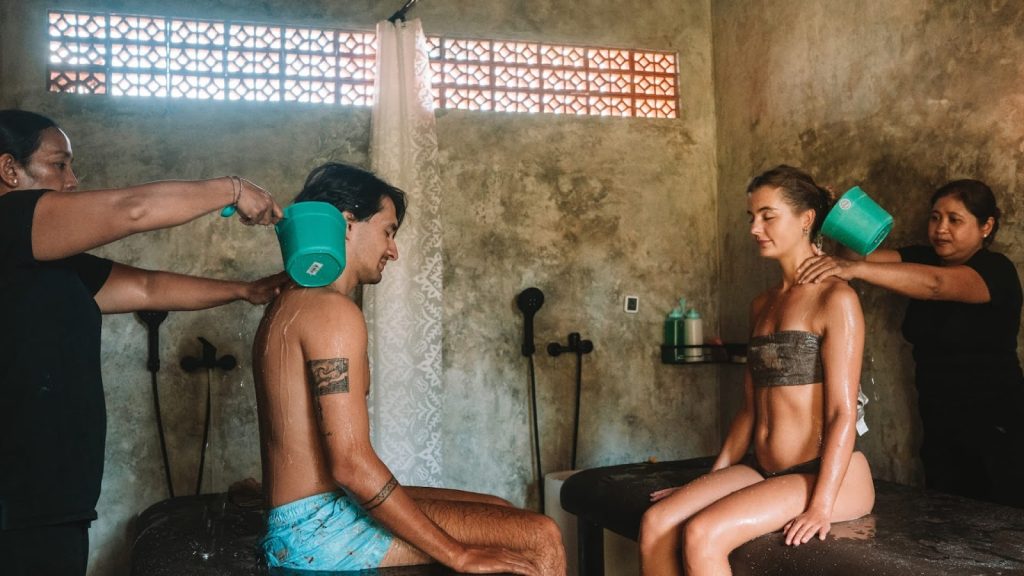
If you came to Bali for yoga, healing, and wellness, Ubud is the undisputed champion. The Yoga Barn alone offers 100+ classes weekly from Vinyasa to Kundalini to aerial yoga. Radiantly Alive, Intuitive Flow, and dozens of smaller studios mean you could take a different class every day for months.
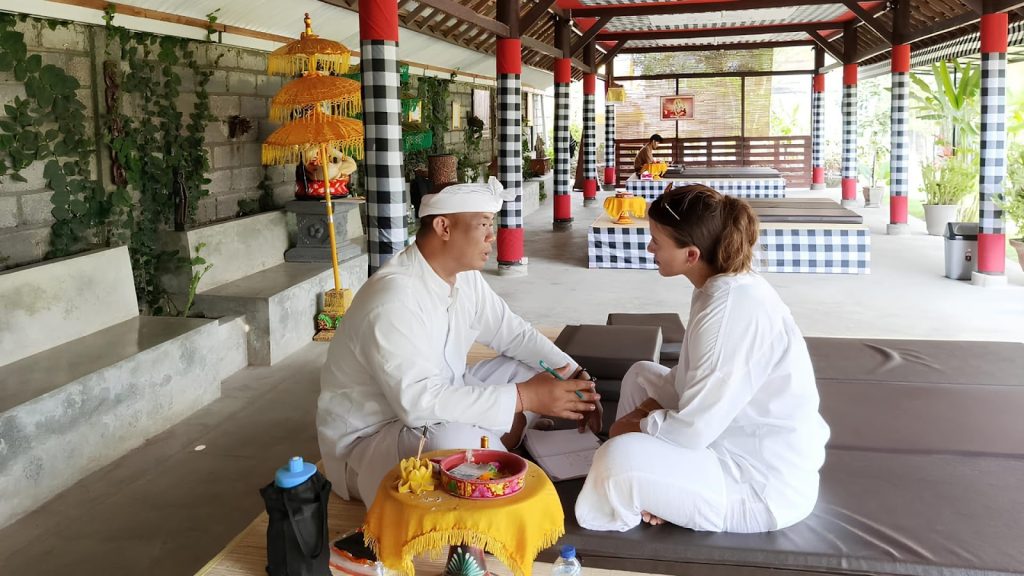
And don’t miss out on a sound healing experience! A resonant session that will transform you through the power of sound and intuitive movements.
Nature and Calm
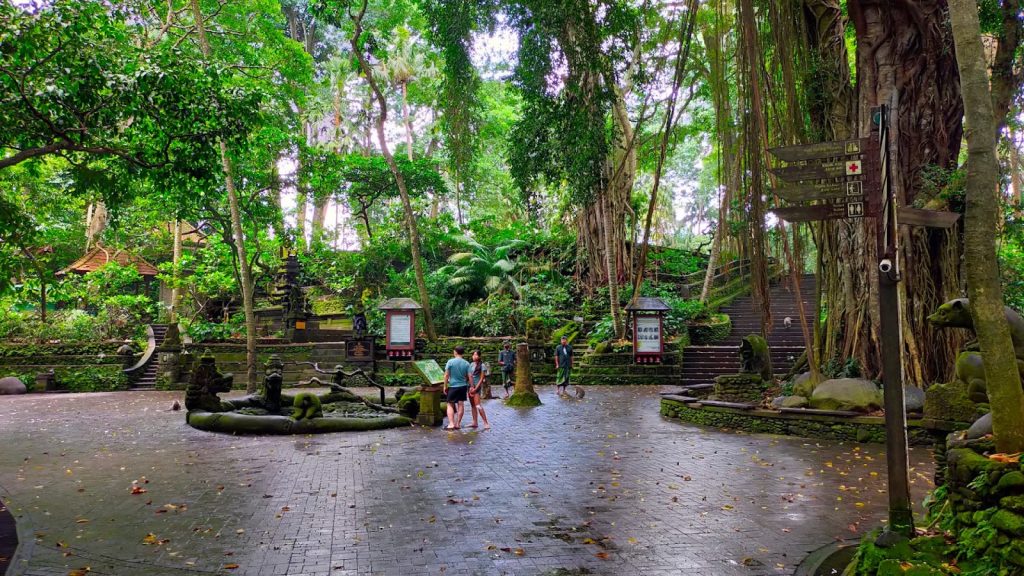
Until today, Ubud’s serene charm remains unchanging. Lush greenery, verdant rice fields, and cheeky monkeys still offer a complete escape from your daily bustle. Take a jungle trek to see the Tegenungan Waterfall or join a thrilling white-water rafting adventure.
Not feeling adventurous? That's fine too. Settle into a corner at WYAH Ubud with a warm cup of tea, and let the sounds of the jungle wash over you. The calm here isn't forced. It's just what happens when you remove yourself from constant bustle and let nature fill the space instead.
Ideal for Couples and Solo Travelers
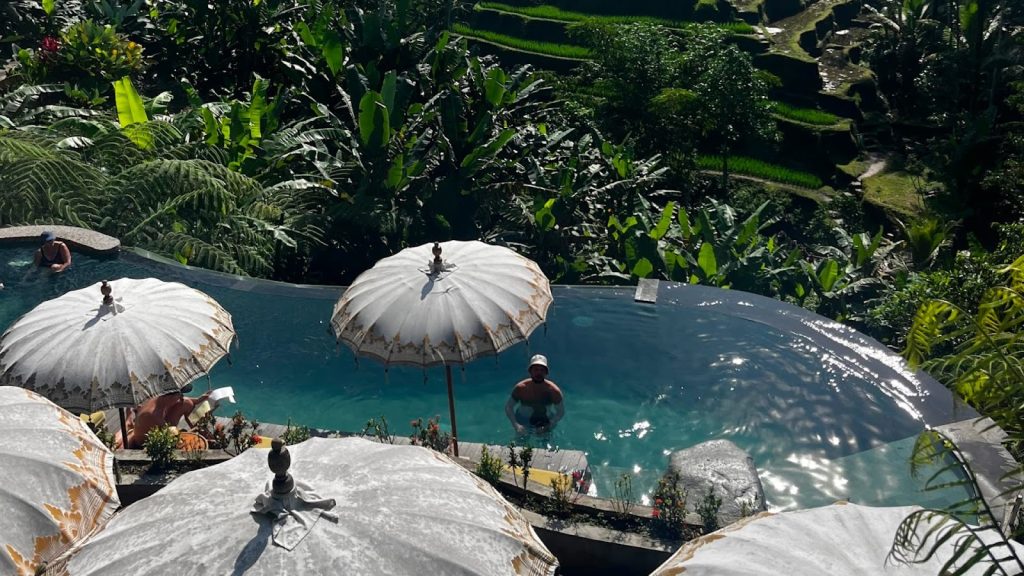
The slow pace of Ubud makes it ideal for couples seeking a cozy, romantic retreat without the crowds. Private villas with infinity pools overlooking jungle valleys. Candlelit dinners where the only sounds are crickets and distant gamelan. Day beds for two tucked into garden corners where you can read, nap, or talk without interruption.
For honeymoons or anniversaries, Ubud's slower rhythm and natural beauty create the kind of connection that's hard to find when you're competing with beach club noise and crowds.
The town itself feels safe and welcoming for solo exploration. You can wander markets, hike rice paddy trails, or sit in cafés journaling surrounded by an ambiance that inspires mindfulness. There's freedom in the ability to move at your own pace.
What Canggu Offers (And When It Makes Sense)
Beach Lifestyle & Surf Culture

Let's be direct: if you need the ocean nearby, Canggu wins. The beaches here aren't perfect with white sand and crystal water. They're volcanic black sand, powerful waves, and a raw energy that surfers love.
Echo Beach and Batu Bolong offer waves suitable for various skill levels, from beginners wobbling on longboards to experienced surfers carving up head-high sets. Surf schools line the beach, and board rentals are everywhere. Even if you don't surf, there's something mesmerizing about watching the lineup, seeing bodies rise and fall with swells, catching that moment when someone drops into a perfect wave.
Cafe and Coworking Scene

Canggu has evolved into one of Southeast Asia's premier digital nomad hubs, a haven for backpackers and remote workers. The emergence of coworking spaces like Tribal Bali builds a tight-knit community.
The café scene rivals major cities. Hungry Bird serves excellent coffee in an industrial-chic space that's perfect for laptop sessions. Nude Canggu combines healthy food with reliable Wi-Fi and enough outlets for everyone. Peloton Supershop is part café, part bike shop, part community hub that defines Canggu's vibe.
Nightlife & Events

If you're looking for evening entertainment beyond quiet dinners, Canggu delivers. Beach clubs like Café del Mar Bali and La Brisa offer sunset sessions with DJs, cocktails, and ocean views. The transition from day to night is seamless. One minute you're in beachwear sipping smoothies, the next you're dancing along to the house DJs at sunset.
Younger, More Social Crowd

Canggu attracts a notably younger demographic than Ubud, around twenties and thirties. The energy is extroverted, social, and community-focused. You'll make friends at your coworking space, connect with fellow surfers in the lineup, or bond with strangers at the café next door. A haven for those social butterflies!
This creates an atmosphere that's ideal for solo travelers who want to meet people or groups of friends looking for a lively home base.
Other Comparisons
Accessibility
Ubud: More walkable within the town center, though distances between attractions can still require scooter or car transport. Traffic is lighter, and the pace feels less chaotic. Many accommodations sit tucked down quiet lanes away from main roads.
Canggu: Extremely spread out with heavy traffic on main roads like Batu Bolong and Pantai Berawa. You'll need a scooter to get around efficiently, and even short trips can take longer than expected during peak hours. Walkability is limited due to narrow roads and a lack of sidewalks.
Budget
Ubud: Generally more affordable for accommodation and dining. You'll find excellent warungs serving traditional meals for under $3, and mid-range hotels offer great value. Splurge options exist, but don't dominate.
Canggu: Prices have climbed as the area has developed. Trendy cafés charge Western prices ($8-15 for brunch), and accommodation costs more on average. It's still possible to budget travel here, but you'll need to be more selective.
Weather and Seasonality
Ubud sits inland at a higher elevation, making it slightly cooler and experiencing more frequent afternoon rain showers, even during the dry season. The humidity can feel intense, especially during the rainy season (November-March).
Canggu's coastal location brings ocean breezes that offer relief from the heat, though it can still be quite warm midday. Surf conditions vary by season, but we highly recommend visiting during the dry season (April-October).
The Verdict: Why Not Both?
Bali is small enough that you don't have to choose one or the other. Many travelers split their time, spending the first half of their trip in Ubud soaking up culture and wellness, then moving to Canggu for beach vibes and social connection. The drive between them takes roughly 90 minutes, making it entirely possible to experience both in one day.
You can start your day with a slow morning at AME Bistro Ubud, then spend your time taking in the traditional ambiance of old Bali by strolling through Goutama Street and Ubud Art Market. Shop souvenirs, try out a quick spa session, then head south to Canggu for golden hour sips and late-night beats. Still have more days in Ubud? Check out our guide to the best day trips from Ubud to plan the rest of your stay.
Is Ubud or Canggu better for families?
Ubud is great for nature and culture. Canggu is better if you want beach life, surf lessons, and kid-friendly cafés, though the traffic can be tricky.
Is Ubud or Canggu better for digital nomads?
Canggu is the clear winner for networking, coworking spaces, and fast internet. Ubud is better if you prefer a quiet environment for deep, focused work.
Should I go to Ubud or Canggu first?
Start in Ubud. The slow, relaxing pace helps you recover from travel. Once you're recharged, head to Canggu for a more social, high-energy finish.
Is Canggu more expensive than Ubud?
Yes. Because it's a global hotspot, Canggu’s cafes and accommodation are generally pricier. Your budget typically goes further in Ubud.
Which is better for food lovers?
Ubud wins for variety, offering everything from authentic local warungs to high-end fine dining. Canggu is perfect if you love trendy, international-style brunches and vibrant café culture.
Which is suitable for solo travelers?
Both! Choose Canggu if you want to meet people and be social. Choose Ubud if you prefer a peaceful vibe and want to enjoy your own company.
Which area has better beach access?
Canggu. It’s a coastal town, so you’re always near the ocean. Ubud is inland, surrounded by jungles and rice fields.
Do I need a scooter in both places?
You’ll definitely need one in Canggu to handle the traffic. In Ubud, the town center is walkable, but you'll need transport for day trips.
Which one is better for nightlife?
Canggu, hands down. It’s full of beach clubs and music. Ubud is much quieter and better for relaxing dinners or early nights.