Blanco Museum Ubud: 2026 Visitor Guide & History
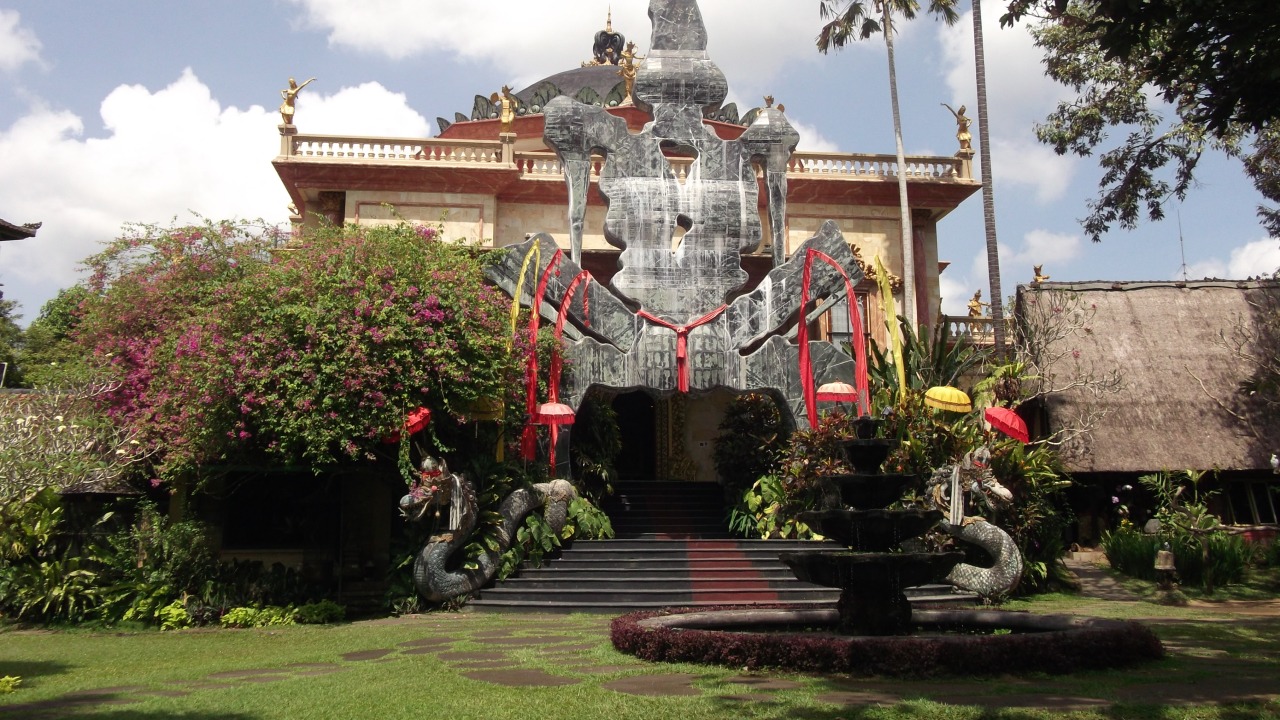
The Blanco Renaissance Museum sits on a hillside in Ubud like something out of a movie; part Spanish villa, part Balinese temple, entirely theatrical. This is where legendary maestro Don Antonio Blanco built his mansion-studio and filled it with paintings of Balinese dancers, erotic portraits, and surrealist landscapes that somehow capture both the beauty and strangeness of falling in love with an island.
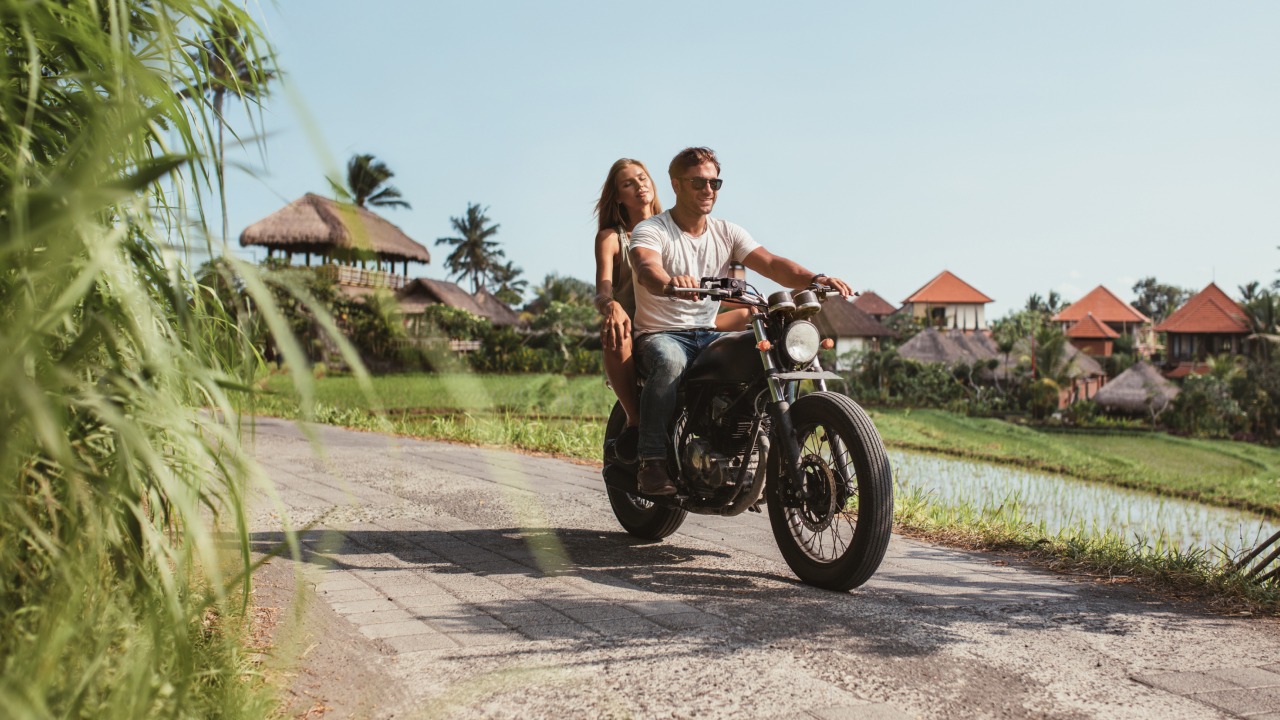
Just a 3-minute motorbike ride (1.2 km) away from AME Bistro, this museum showcases Blanco’s romantic, surrealist works in the actual spaces where he lived and created them, overlooking the Campuhan River valley in a setting that feels more like visiting an eccentric artist's home than walking through a traditional gallery.
The Dali of Bali
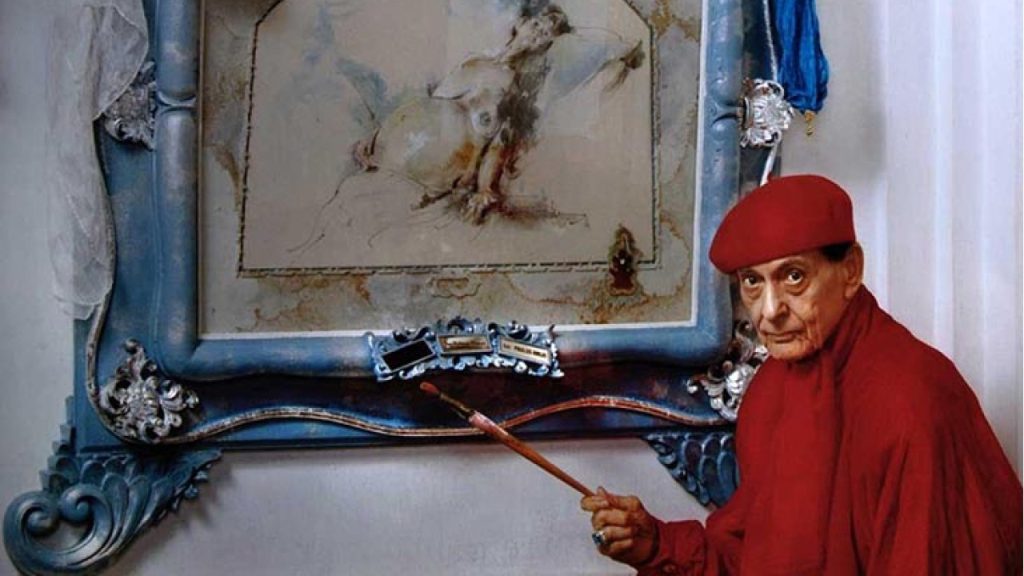
Don Antonio Blanco arrived in Bali in 1952 with a reputation, a Spanish accent, and a passion for culture. Born in Manila in 1911 to Spanish parents, he'd studied art across Asia before the island's beauty stopped him in his tracks. He married Ni Ronji, a Balinese dancer whose graceful figure would appear in hundreds of his paintings over the next five decades. She wasn't just his muse; she was his anchor, the reason he stayed, the presence that transformed him from wandering artist to permanent resident.
History of the Blanco Renaissance Museum
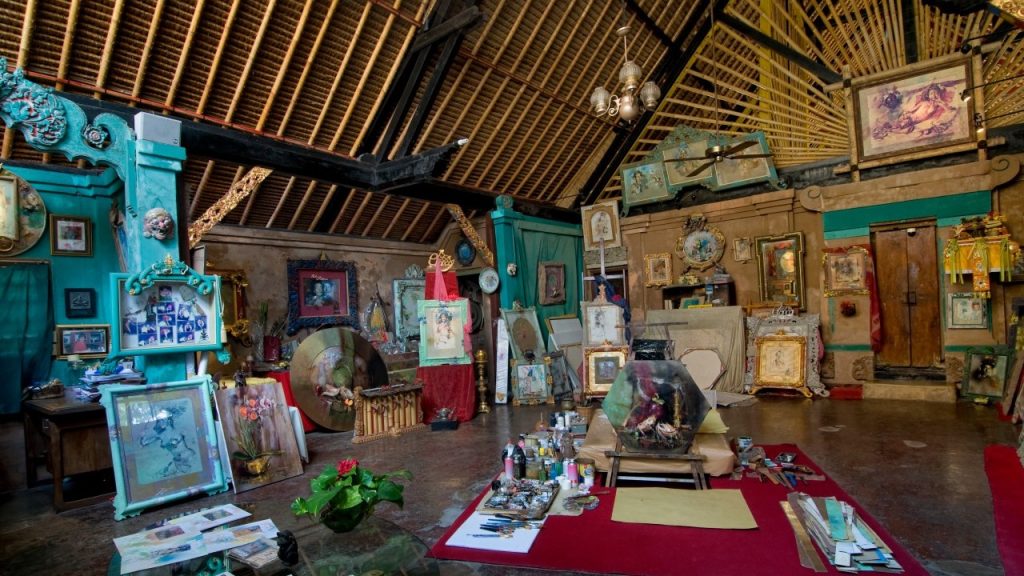
Blanco established the museum himself in 1998, opening his hilltop estate to the public while still actively painting in his studio. He wanted people to experience his work in context, surrounded by the tropical gardens and valley views that inspired it. When he died in 1999, his family inherited both the property and the responsibility of maintaining his larger-than-life legacy.
The comparison to Salvador Dali wasn't accidental. Blanco cultivated it deliberately, adopting theatrical gestures and provocative statements that kept him in the spotlight. But unlike Dali's cold surrealism, Blanco's work radiates warmth. You can see his love for the sensual charm of Bali in every painting.
His marriage into Balinese culture and deep integration into Ubud's artistic community created pathways for cultural fusion that continue today. The museum itself helped establish Ubud as a serious art destination, not just a pretty village with traditional crafts.
Inside The Blanco Renaissance Museum Ubud
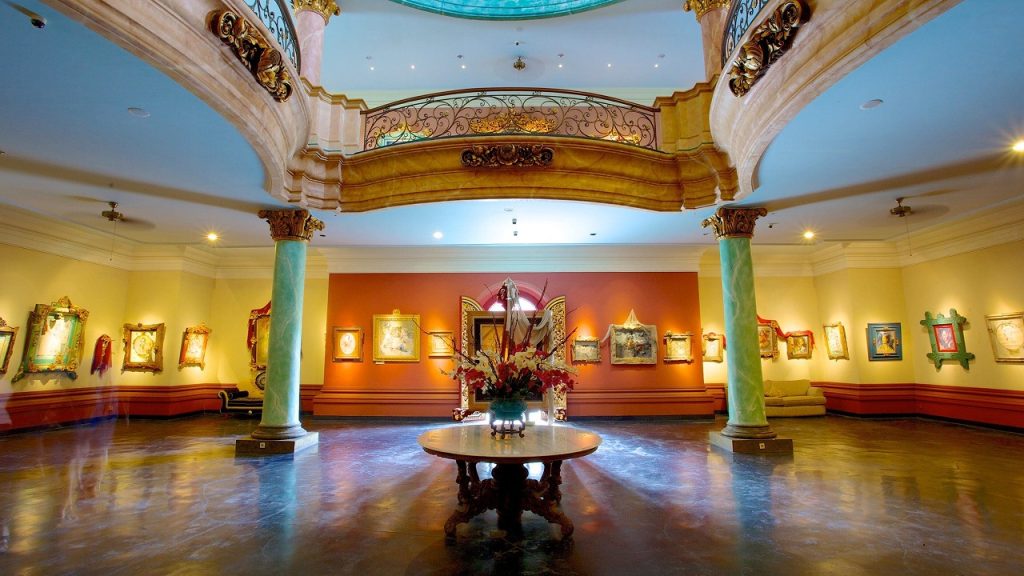
The permanent collection fills every wall space with paintings spanning six decades. Large canvases dominate the main galleries with dancers frozen mid-movement, their bodies elongated in ways that suggest both grace and impossibility. The paintings seem to shift and shimmer as you walk past them, never quite looking the same twice.
His private residence occupies the top floors, partially accessible to visitors willing to climb the narrow spiral staircase. Photographs of Blanco with celebrities and dignitaries cover the walls. Awards and certificates document his career achievements.
Beyond paintings, Blanco experimented with sculptures and mixed media pieces that incorporate found objects, tropical wood, and Balinese textiles. These three-dimensional works feel less successful than his paintings, honestly, but they demonstrate his restless creative energy and refusal to be confined to a single medium.
The gardens cascade down the hillside in terraces filled with frangipani, orchids, and tropical plants that add fragrance to the entire experience. Stand at the viewing platform and you'll understand why he chose this spot. The Campuhan River valley spreads below in layers of green, rice paddies and jungle canopy stretching toward distant hills. And his private garden is filled with sounds of native birds, bright and colorful, singing their songs.
It’s important to note that this museum is not suitable for young children. The erotic content appears throughout the collection, presented as fine art but still explicitly sexual. Parents planning family itineraries should know this is decidedly adult-focused. Teenagers might be fine depending on individual family comfort levels.
Practical Information for Your Visit
| Info | Details |
| Location | Jl. Raya Campuhan, Ubud (near Campuhan Ridge Walk) |
| Hours | 9:00 AM – 5:00 PM daily |
| Entry Fee | 100,000 IDR (~$6.50 USD) |
| Duration | 1–1.5 hours recommended |
| Guided Tours | Available on request; self-guided works fine |
| Photography | Prohibited inside the gallery; allowed in outdoor areas |
The museum operates year-round with consistent hours, but consider confirming before major Balinese holidays just in case. Guided tours provide deeper context about Blanco's techniques and personal history, but the experience works perfectly well self-guided if you prefer exploring at your own pace.
Photography is generally permitted throughout the garden or outdoor areas, while photography inside the gallery is strictly prohibited as the flash may disrupt the delicate paintings. Some private residence sections prohibit photos entirely out of respect for family privacy.
How to Get to Blanco Renaissance Museum Ubud
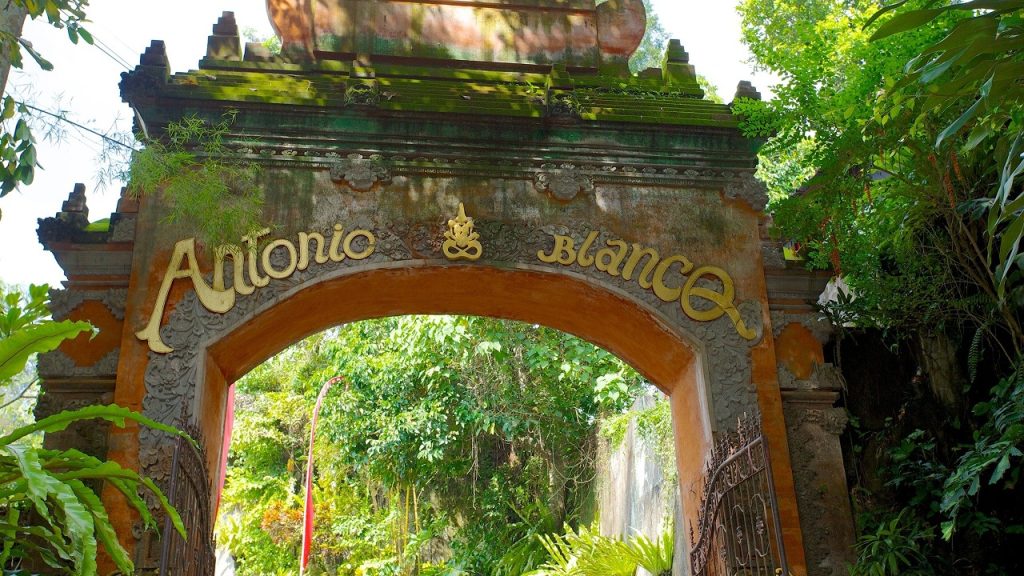
The Blanco Renaissance Museum is centrally located and accessible by several modes of transport. To help you plan your visit, here are the most efficient ways to reach the museum based on how you prefer to travel around Ubud.
Ridehailing Applications
Applications like Grab or Gojek are one of the most convenient ways to visit the Blanco Renaissance Museum Ubud as they have a pick-up and drop-off point for easier bookings. This also saves you the trouble from finding parking and can easily head to your next destination after your visit.
Walking
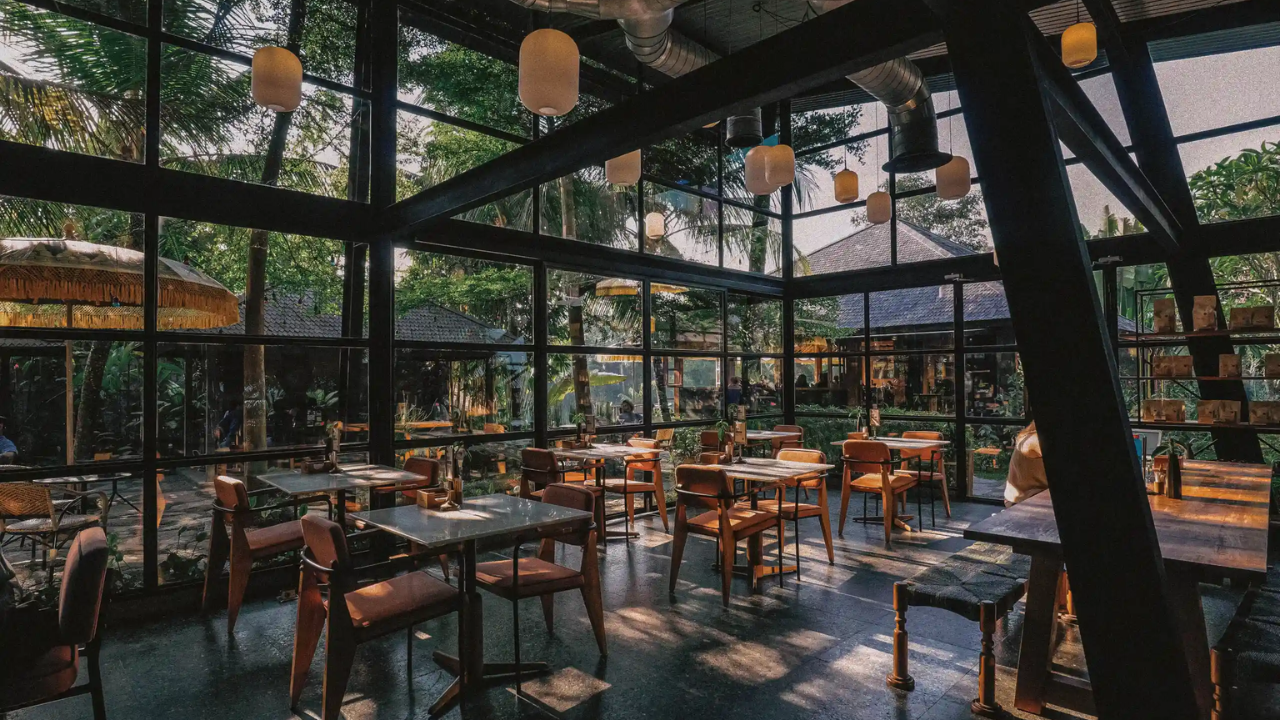
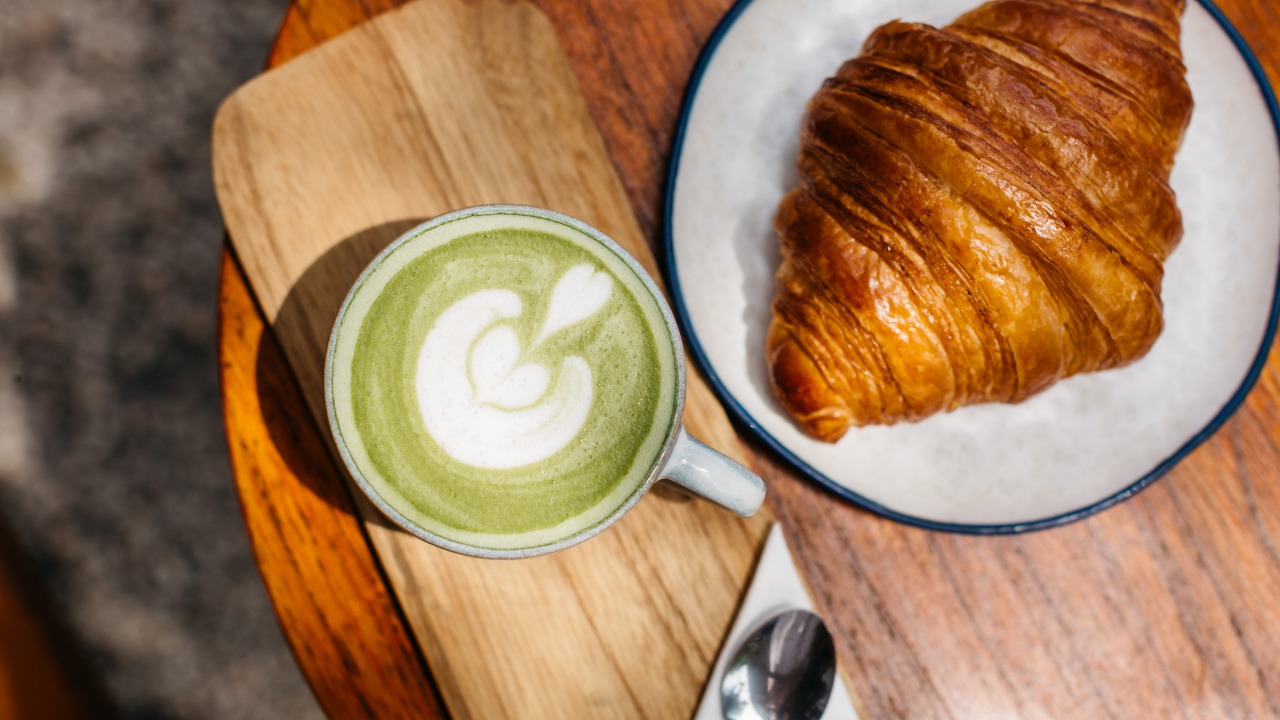
The Blanco Renaissance Museum Ubud is conveniently located right in the midst of several restaurants and cafes like AME Bistro (approx. 14 minutes away or 1,2km), perfect for a day trip after fueling up on smoothie bowls and riverside cups of coffee.
Motorcycle or Cars
The drive to Blanco Renaissance Museum Ubud is pretty straightforward. On-site parking is available should you choose to bring your own vehicles. However, roads may be slippery during the rainy season so consider hiring a personal driver or ordering a rideshare application if you are not confident with your driving skills in Bali’s unpredictable traffic.
Attractions Near Blanco Renaissance Museum Ubud
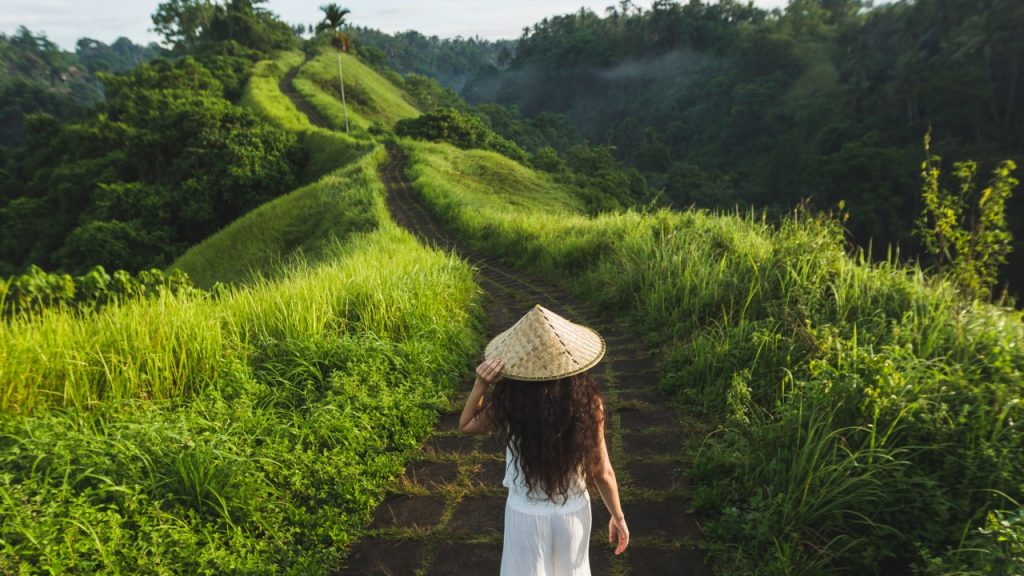
The location near Campuhan Ridge Walk means you're already in one of Ubud's most scenic areas. Morning mist often rises from the river valley below, creating conditions that feel lifted directly from Blanco's paintings. The whole setting reinforces the museum's central theme of idyllic Bali life.
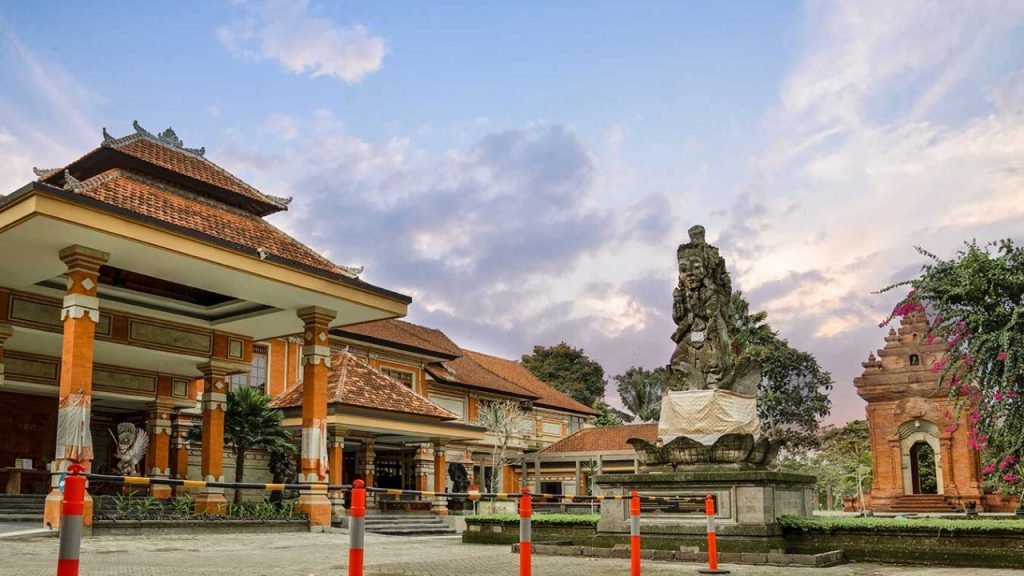
The Neka Art Museum sits about ten minutes north, housing comprehensive Balinese art collections from traditional to contemporary periods. Saraswati Temple in central Ubud features lotus ponds and traditional architecture with evening dance performances in the temple courtyard. The Ubud Art Market sells everything from paintings to textiles, though mornings offer better selection before tour groups arrive and vendors adjust their prices accordingly.
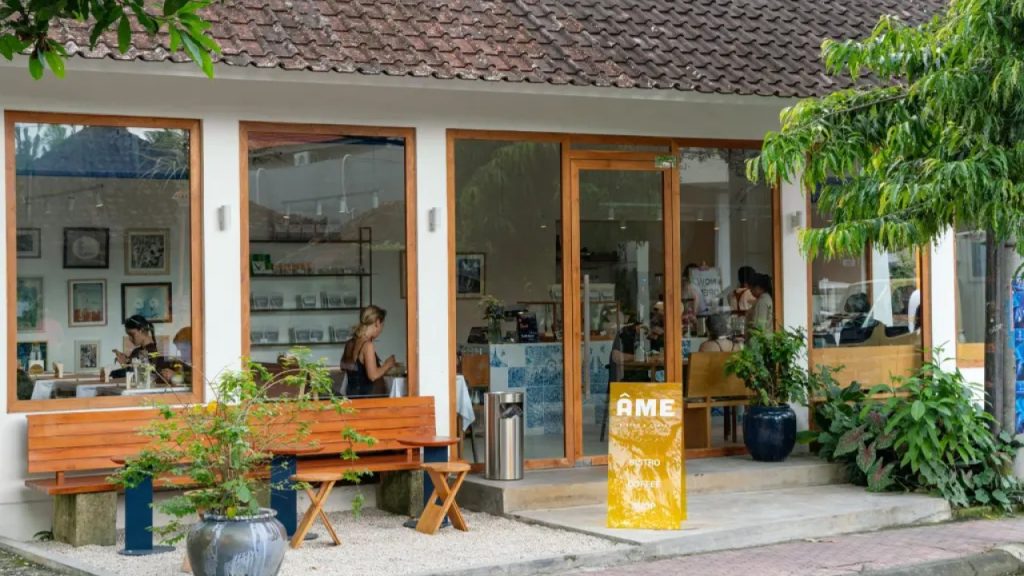
As aforementioned, AME Bistro is also nestled within close proximity to the Blanco Renaissance Museum Ubud. Whether you’re stopping by for your first cup of joe or ending your trip to the museum with a sweet AME cheesecake, AME Bistro is the perfect stop before or after your trip to the museum. View our menu and plan your visit.
FAQs
What is the Blanco Museum known for?
The Blanco Museum is famous for Don Antonio Blanco's romantic and surrealist paintings featuring Balinese dancers, erotic art, and tropical landscapes rendered in his distinctive style with gold leaf accents.
Is the Blanco Museum suitable for kids?
No, not really. Explicit erotic themes appear throughout the collection, and while everything is presented as fine art, the content remains quite sexual. This is primarily an adult cultural attraction. Use your judgment with teenagers based on your family's comfort levels, but younger children should probably skip this one.
How long does a visit take?
Most people spend between an hour or two exploring the museum, gardens, and grounds. Art enthusiasts or those taking guided tours sometimes extend visits. The compact size lets you see everything thoroughly without feeling rushed, making it easy to slot into a broader Ubud day.
Can I take photos inside?
Generally yes, though flash photography is prohibited to protect the artworks. Some private residence areas restrict photography entirely. Staff clearly indicate restricted zones, and following their guidance shows basic respect for both the art and the family still maintaining this space.
Who owns the Blanco Renaissance Museum now?
The Blanco family continues operating the museum, with Don Antonio's son Mario Blanco managing daily operations. They maintain the property as both public museum and family tribute, preserving the intensely personal atmosphere Blanco intended when he opened these doors to strangers during his lifetime.